Viennese coffee house tradition

It has been a UNESCO intangible cultural heritage site since 2011 and is therefore a unique asset worldwide. But what makes Viennese coffee house culture so special? It is the special atmosphere of marble tables, Thonet chairs, boxes and newspaper tables and stands. A place “where time and space are consumed, but only the coffee is on the bill”, as the definition goes.

Historically, the first coffee houses were established towards the end of the 17th century. Over the course of history, they have become a place of literary communication, political discussion and special encounters. Musicians, writers and artists such as Gustav Klimt, Egon Schiele and Ludwig van Beethoven were regulars and met in the coffee house to exchange ideas, read the newspaper, gather inspiration or work.

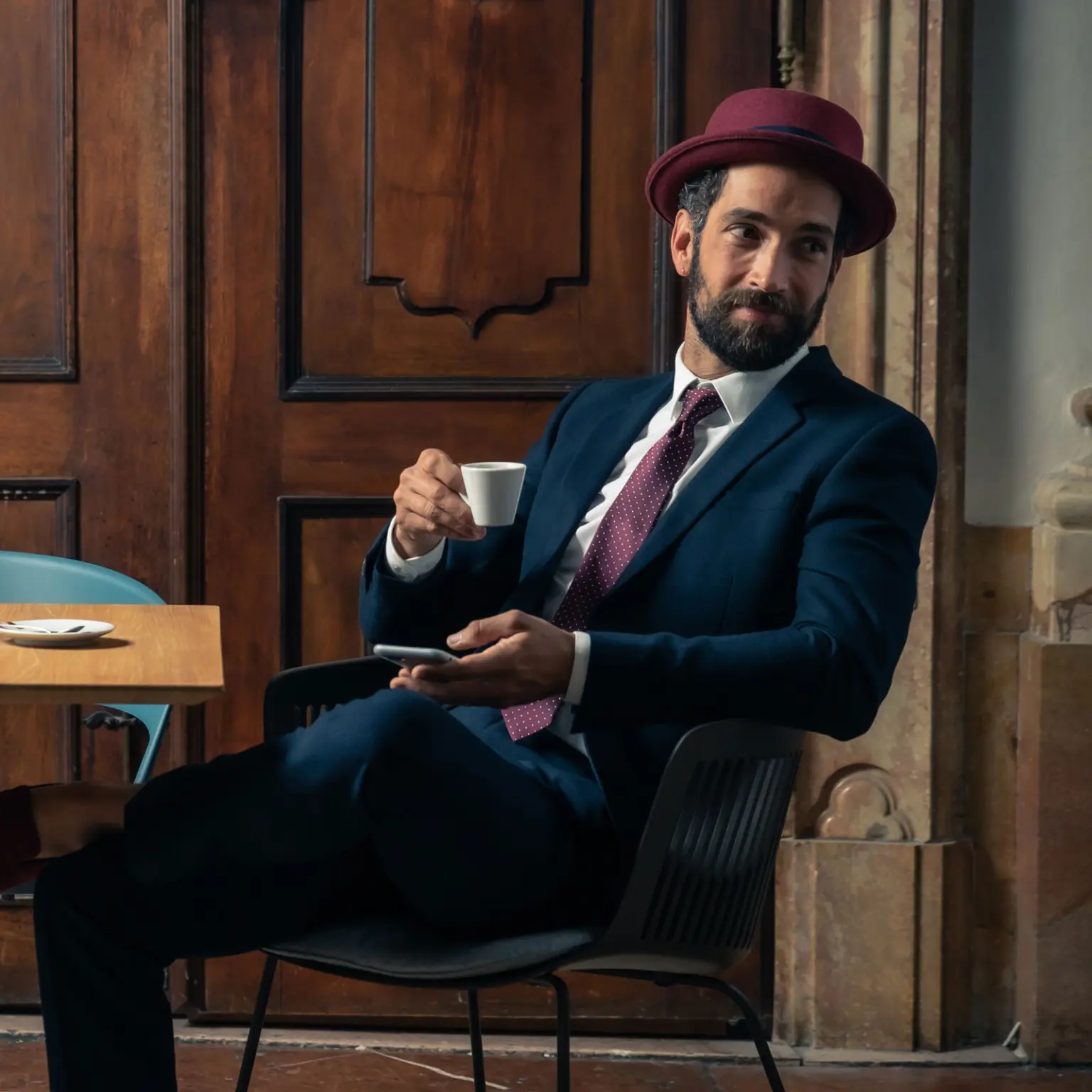
The typical Viennese coffee house – which, incidentally, is not only found in Vienna – is still linked to this tradition today. But it is much more than that and has developed into a way of life. Leisure, deceleration and enjoyment in a coffee house are also popular with the young, urban generation today. People meet up – and not just for a quick coffee, but to stay.
CLASSIC PREPARATION METHODS

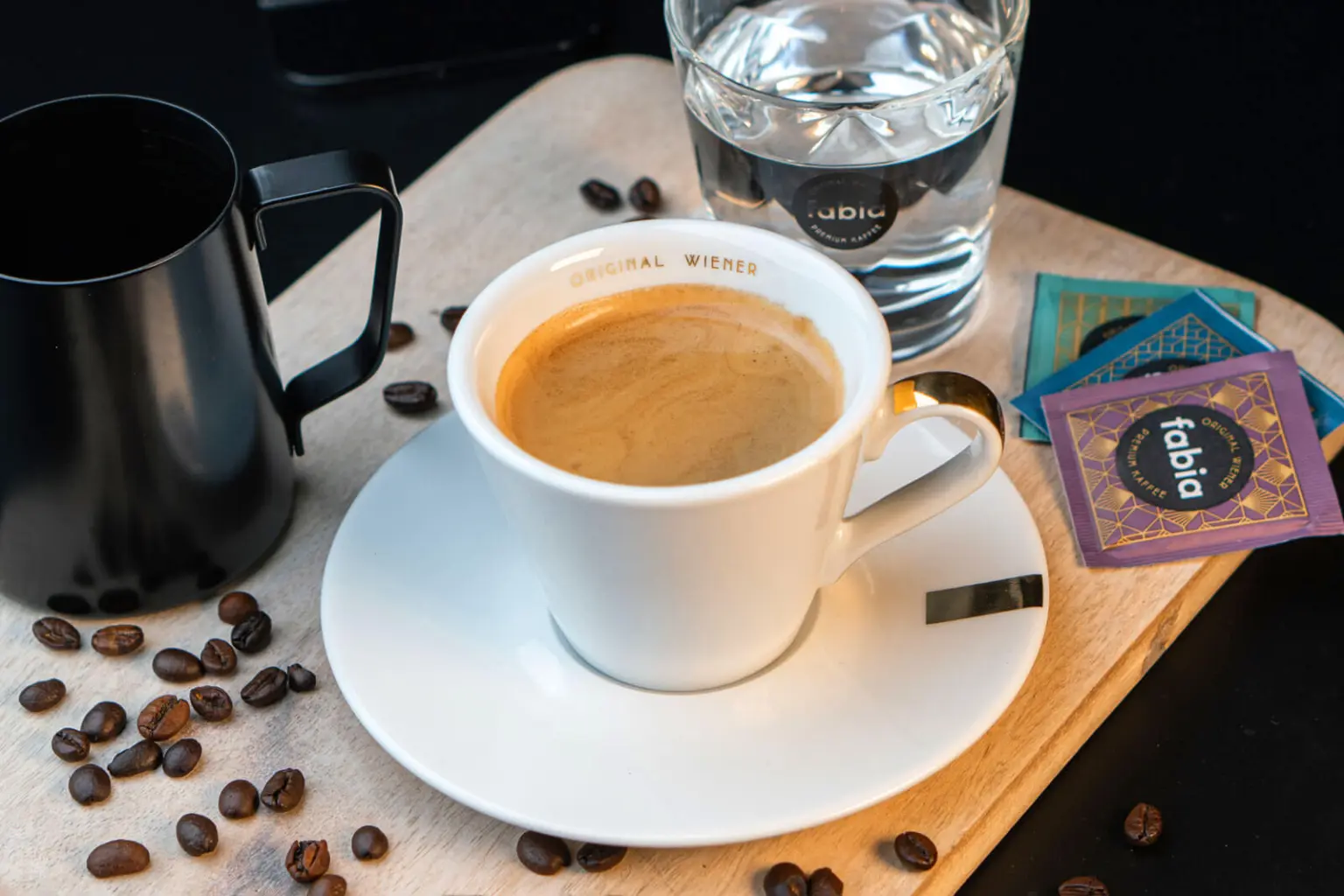
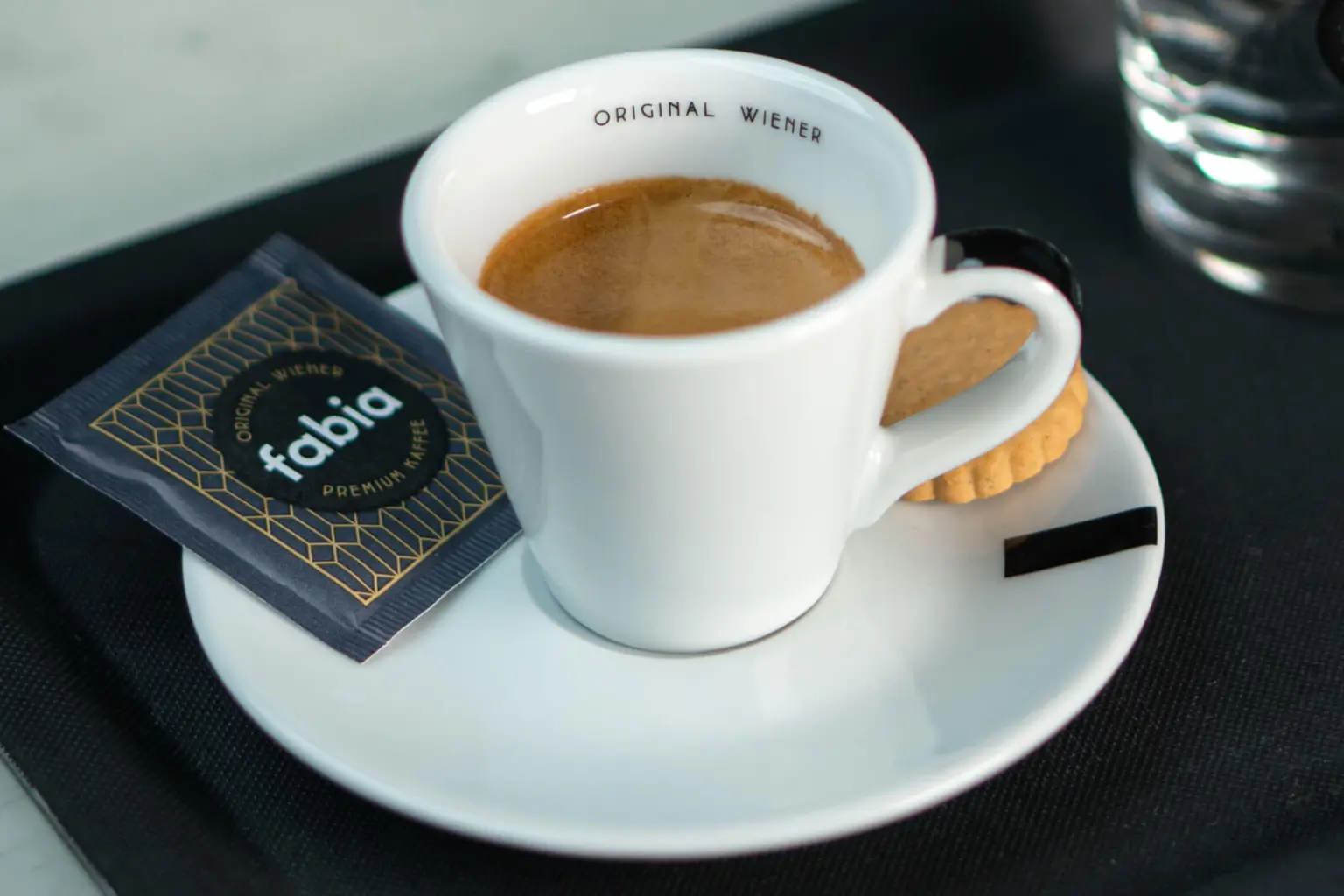
What is the difference between a horse-drawn carriage and a hackney carriage? How did the Franziskaner actually get its name and what makes a real Viennese Melange? In addition to history, the “G’schichtln” also play an important role in the Viennese coffee house tradition. And there are plenty of them. The most important of these can be read by fabia connoisseurs on the sugar sachets.

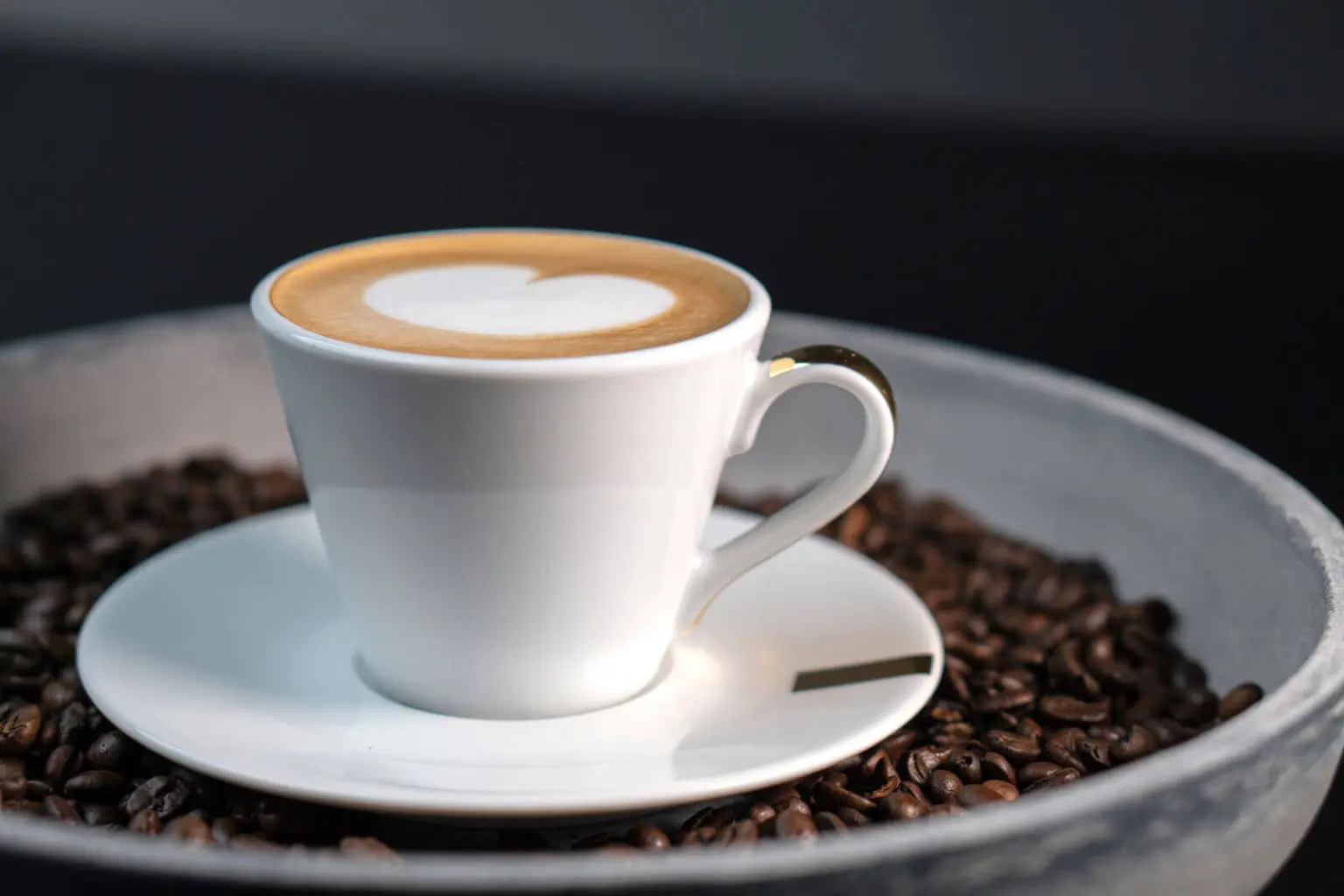
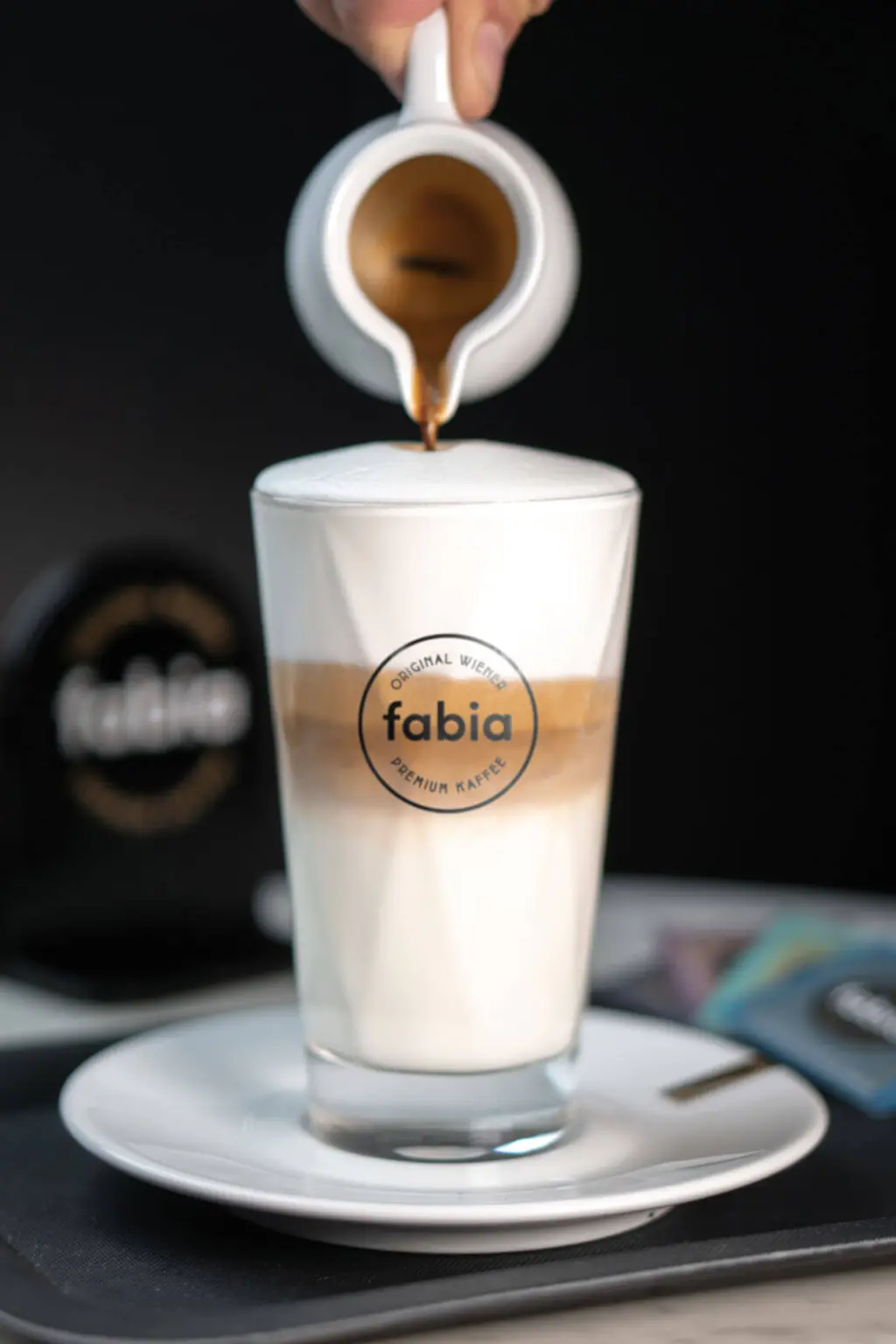
For all professionals and interested parties, here is an overview of the specialties of Viennese coffee house culture. Of course, all variations are served perfectly in the fabia cup or fabia glass. Sugar and cookies are just as much a part of the tray as the spoon, which is typically placed across the water glass for Viennese coffee specialties.

KLEINER MOKKA

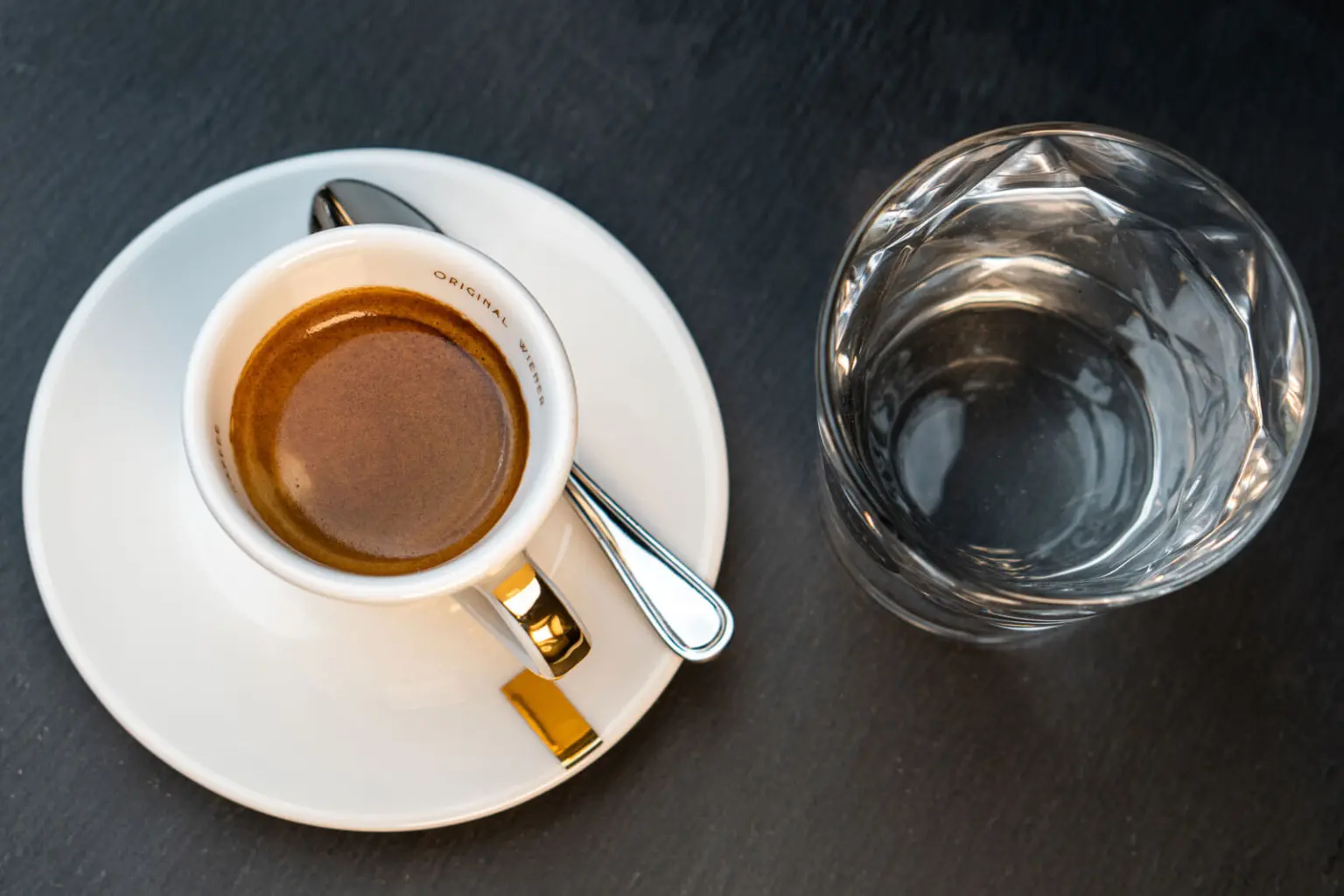
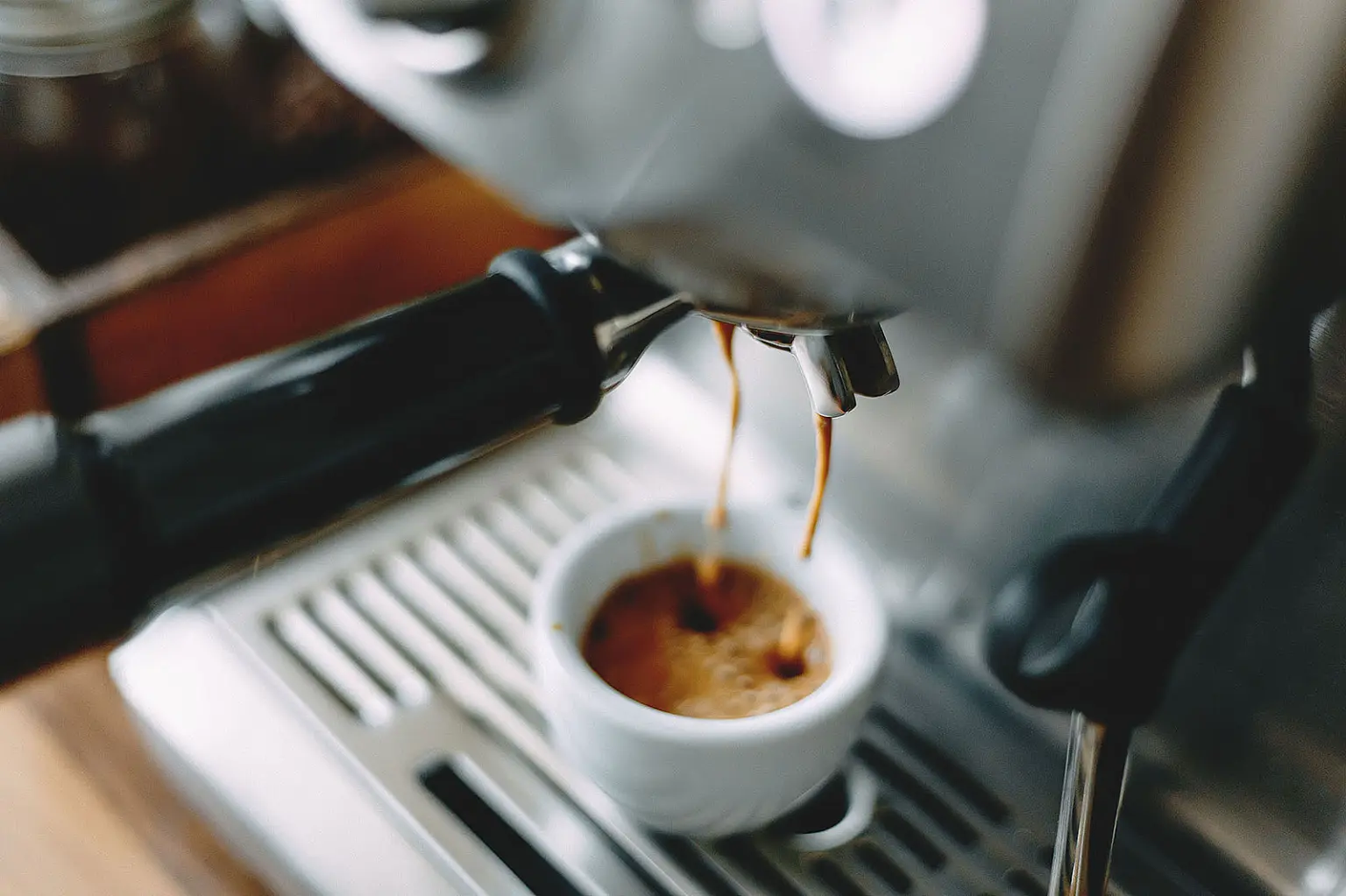
The small mocha is the basis of all Viennese coffee specialties. The small black Viennese coffee, often called “Kleiner Schwarzer”, is prepared with 7 grams of ground coffee.

GROSSER MOKKA

The large mocha is double the amount of ground coffee, i.e. 14g, and double the amount of water. The large mocha is often referred to as the “large black”.

KLEINER BRAUNER

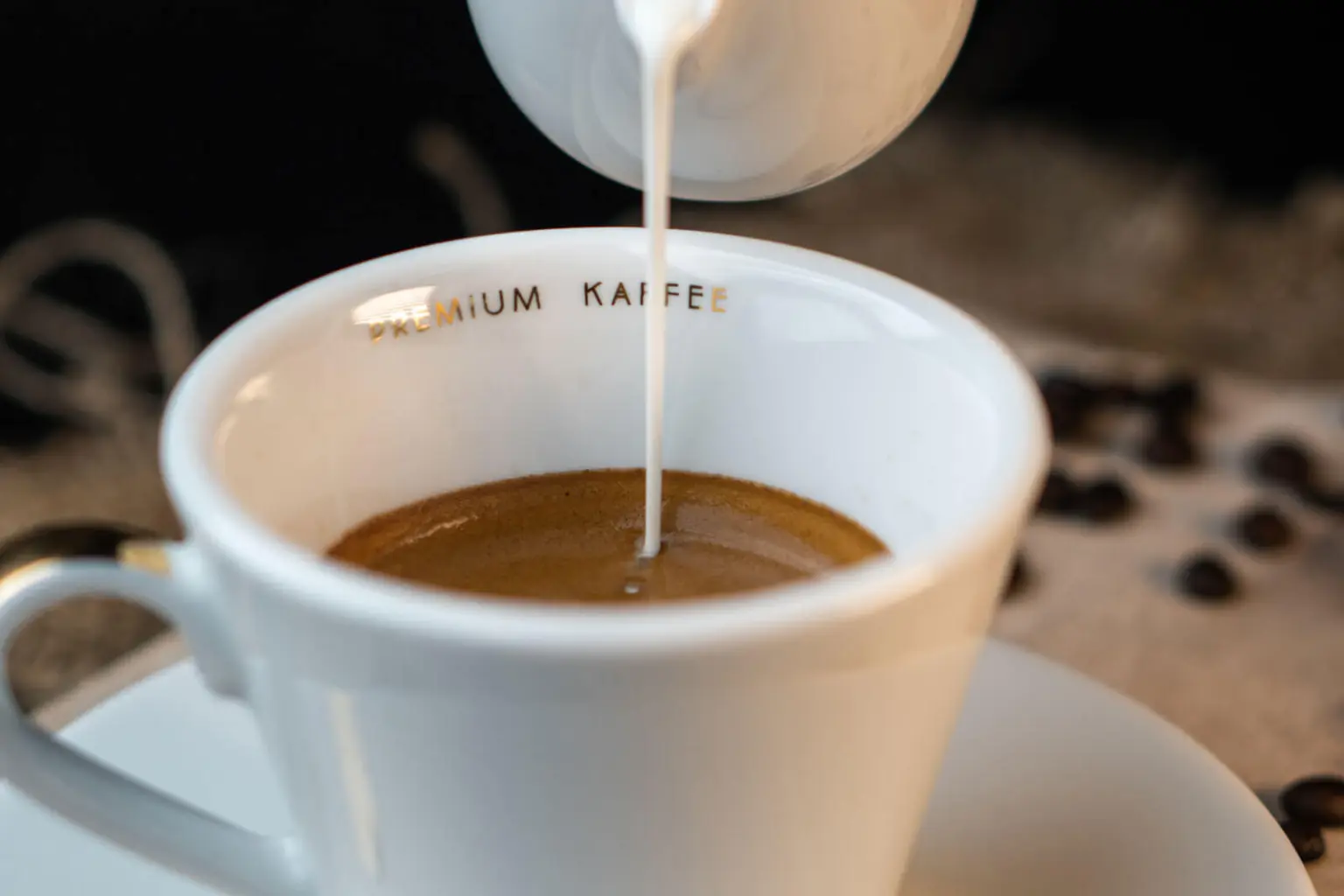
The small brown is a small mocha with coffee cream.

GROSSER BRAUNER

The large brown is a large mocha, which means twice the amount of ground coffee, i.e. 14g, and twice the amount of water, served with coffee cream.

VERLÄNGERTER

The Verlängerte is a small mocha with hot water in a large cup. The Verlängerte is the typical Viennese coffee specialty. Traditionally, the hot water is served separately in a small pot and coffee lovers only “extend” their mocha at the table as they wish.

WIENER MELANGE

The Viennese Melange is one of the most famous specialties of Viennese coffee house culture and consists of half coffee and half milk in a large cup. Melange refers to the color of the coffee between brown and gold, of which there used to be eight different types. The waiter went to the guests with a color chart to define the color of the melange.

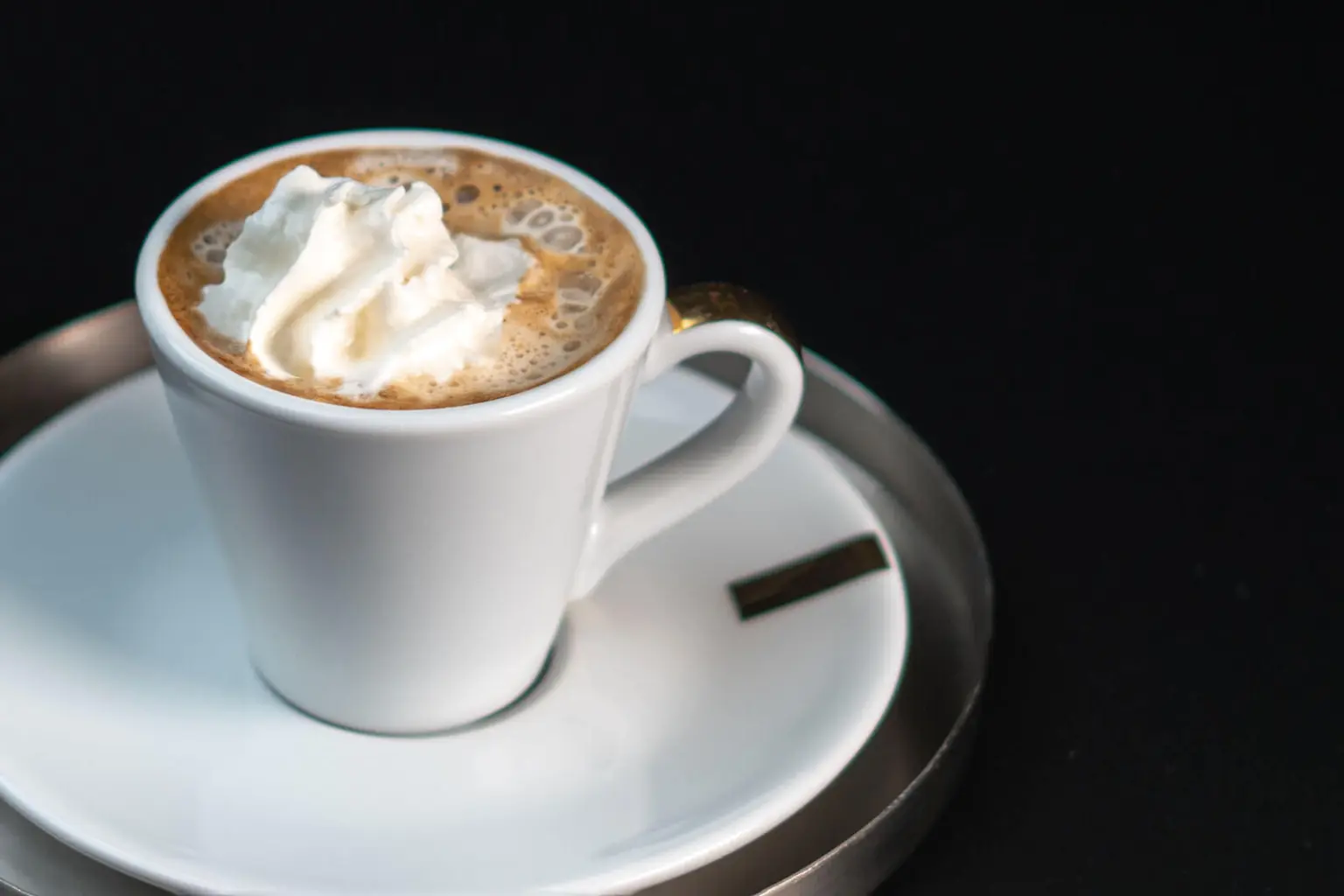
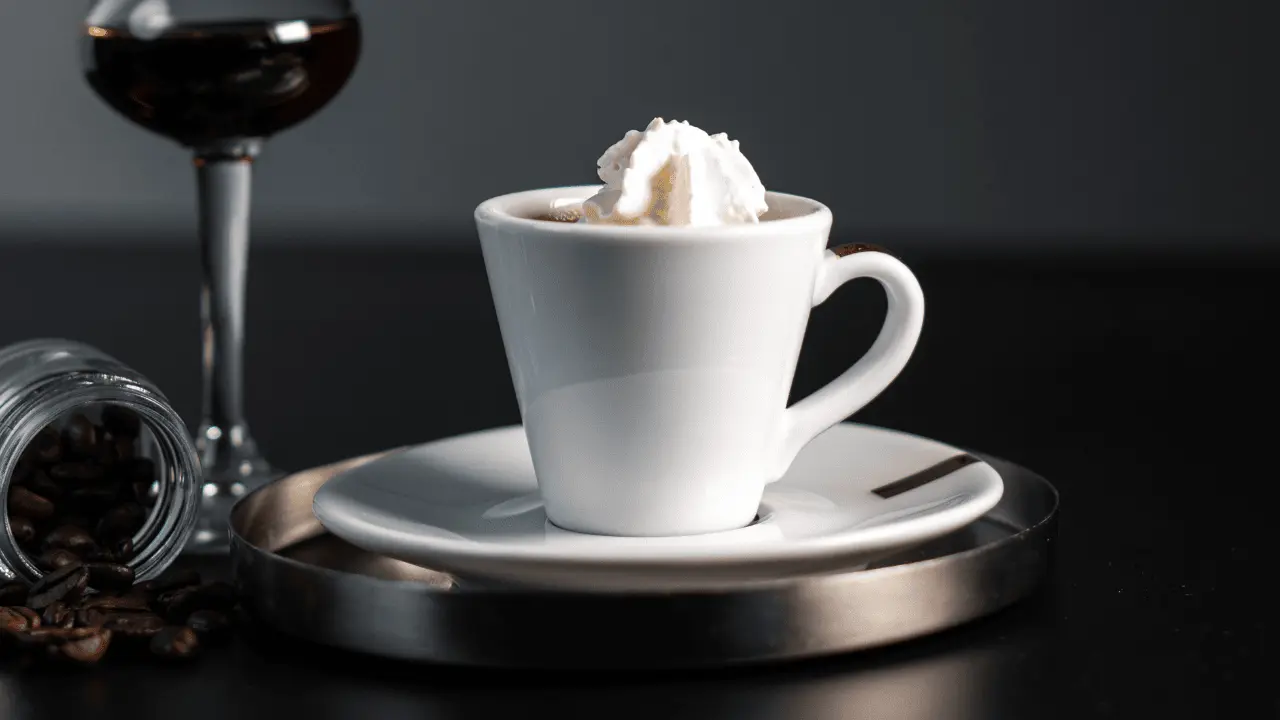
EINSPÄNNER

Einspänner is the Viennese term for half a pair of sausages or a horse-drawn carriage with one horse. Einspänner is also the name given to a Viennese coffee specialty. A small mocha is served with plenty of whipped cream. As the coachmen had to hold the horse with one hand, the hot coffee used to be served in a glass with a handle and the whipped cream topping ensured that the coffee stayed warm for longer.

FIAKER

At the Fiaker, a large mocha with rum is served in a large cup. As the coachmen of Vienna did not make big money in earlier times, they preferred rum to an expensive brandy.

KAFFEE VERKEHRT

This specialty gets its name from the fact that both the ratio of milk to coffee and the order of preparation are reversed.

FRANZISKANER

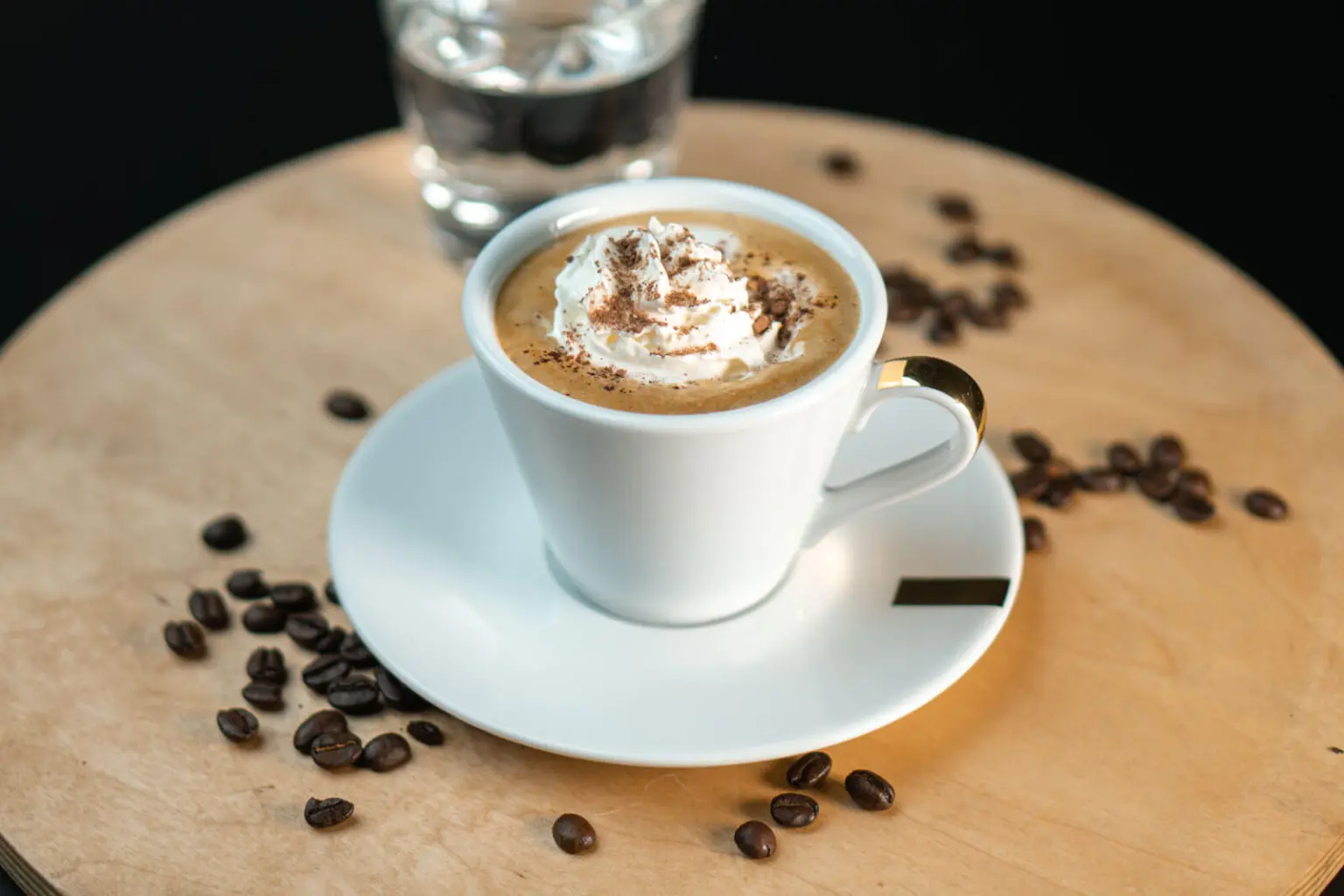
Franziskaner is a small mocha served with hot milk and whipped cream and sprinkled with chocolate sprinkles. This wholesome Viennese coffee specialty was named after the Franciscans due to the color of their habit.

fabia FOR THE GASTRONOMY

Lovers of Viennese coffee house culture appreciate one thing above all: that time is taken for them and their enjoyment. A kind word, a sincere “How are you?”, a fine feel-good atmosphere and a smile – that’s all it takes. But what would all this be without an exclusive coffee experience that can’t be found anywhere else?

fabia – Time is the secret of quality